Occupational therapy for children aged 2–9
Building children's skills — the foundation for success
I'm Shira, a paediatric occupational therapist. In my home clinic in Ra'anana I help children understand, practise and develop the skills behind learning, writing, reading, movement, play and independence.
The goal isn't only to help with the task that's hard today — it's to understand what sits behind the difficulty and build the skills that will help later on.
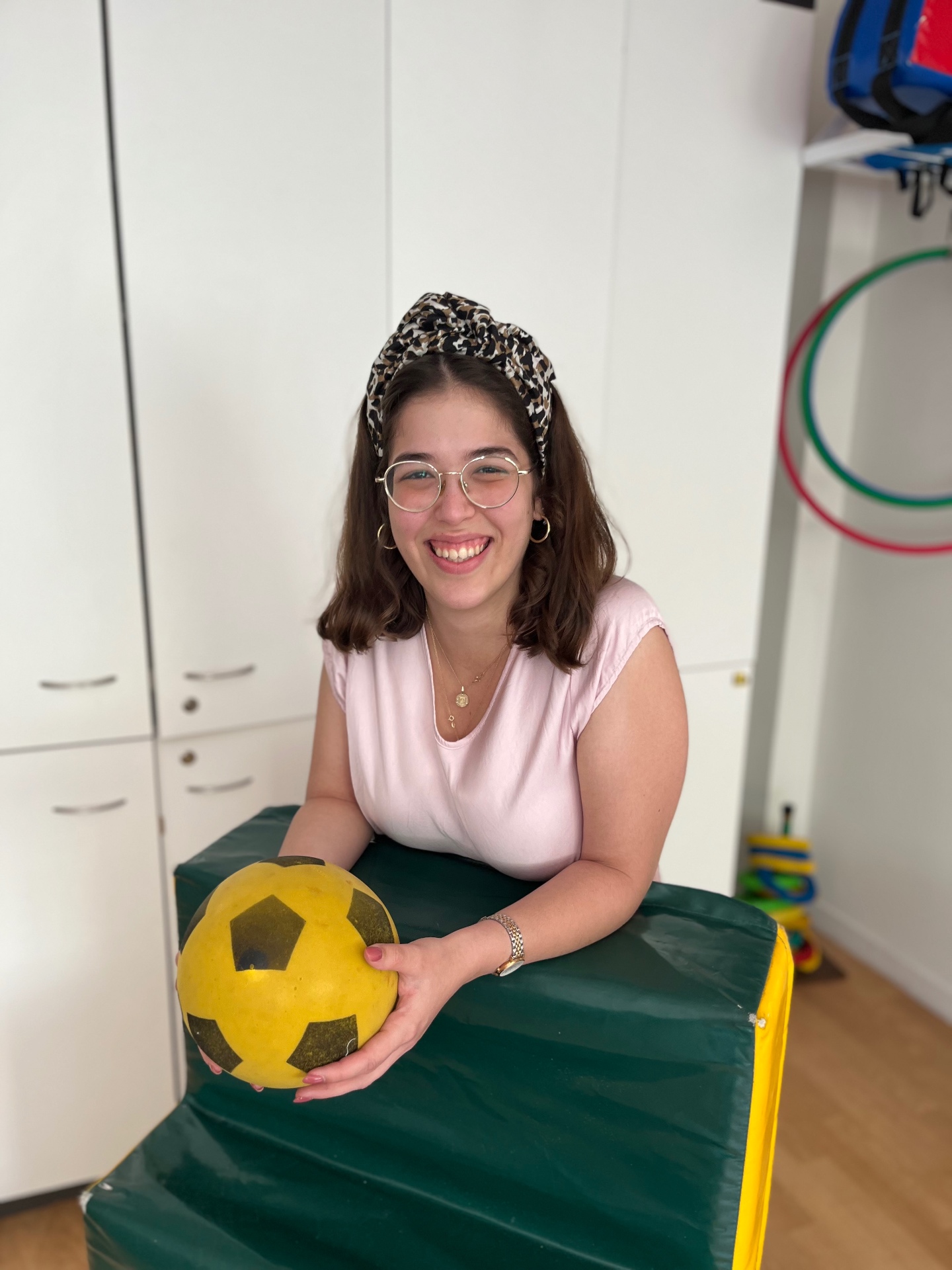
How can I help?
These are the main areas where I meet children and parents, each one approached through the skills that sit behind it.
Starting school requires far more than knowing letters and numbers. Readiness also includes being able to sit and stay with a task, follow simple and multi-step instructions, organise and use equipment efficiently, plan and monitor one's own performance, and participate in class independently.
- Staying with a task over time and working efficiently
- Self-organisation and transitions between activities
- Comfortable use of writing tools
- Independence in the classroom environment
Handwriting is not just holding a pencil. Several developmental abilities work together behind it — which is why it matters to understand which one is creating the difficulty.
- The child avoids drawing or writing
- Handwriting is slow or tiring, and work in the notebook is disorganised
- The pencil grip looks uncomfortable
- Handwriting that is hard to read
Fine motor skills let a child use their hands precisely and efficiently — cutting, colouring, building and everyday self-care.
- Hand control and stability
- Precision in cutting, colouring and gluing
- Coordinating both hands together
- Independence with buttons, laces and fastenings
Movement and play are core developmental activities. Through them children build coordination, attention, confidence, social skills and independence — which is why they are a professional part of the work, not a break from it.
- Coordination and motor planning
- Confidence in physical settings
- Taking part in play with other children
- Independence in everyday activities
Learning to read draws on language, attention, memory and visual processing. Remedial work addresses that foundation alongside the reading practice itself.
- Decoding and reading fluency
- Visually tracking the line and the text
- Linking letter, sound and word
- Confidence and willingness to engage with text
Some children understand the material well but struggle with the process of learning itself. The work focuses on building ways of working the child can use independently.
- Working memory and following instructions
- An efficient approach to multi-step tasks
- Keeping order and organisation
- Working independently over time
- Strengthening self-monitoring and impulse control
Not only what is hard for a child — but why
Two children can struggle with exactly the same task for completely different reasons.
Difficulty with writing in two children can have different sources — for example weakness in the shoulder girdle affecting fine motor skills, or difficulty with planning and organisation on the page.
Together we'll understand which skills sit behind it, where the difficulty comes from, and which way of working fits this child.
How does the process work?
A clear, professional and supported process — so you know at every stage what's happening and why.
We start with an introductory phone call to understand the difficulties and the reason for reaching out. If you already have an assessment from your health fund, I check that it covers everything needed; if not, we carry out an assessment process. Together we set the goals for therapy.
Based on the assessment and the agreed goals, we choose the length of the series. Usually it's between 6 and 15 sessions, with 10 as the standard, as in the health funds. The series also includes additional Zoom conversations with parents to talk about progress.
Most important - there's homework too! I encourage you to work with your child between sessions, because progress comes with practice.
After the series is complete and a closing parent meeting, you'll receive a report summarising what we achieved and how to keep supporting your child.
If needed, we can schedule follow-up sessions or even another series - usually without a new assessment - between 6 and 12 months after the series ends.
I'm here for any questions along the way.
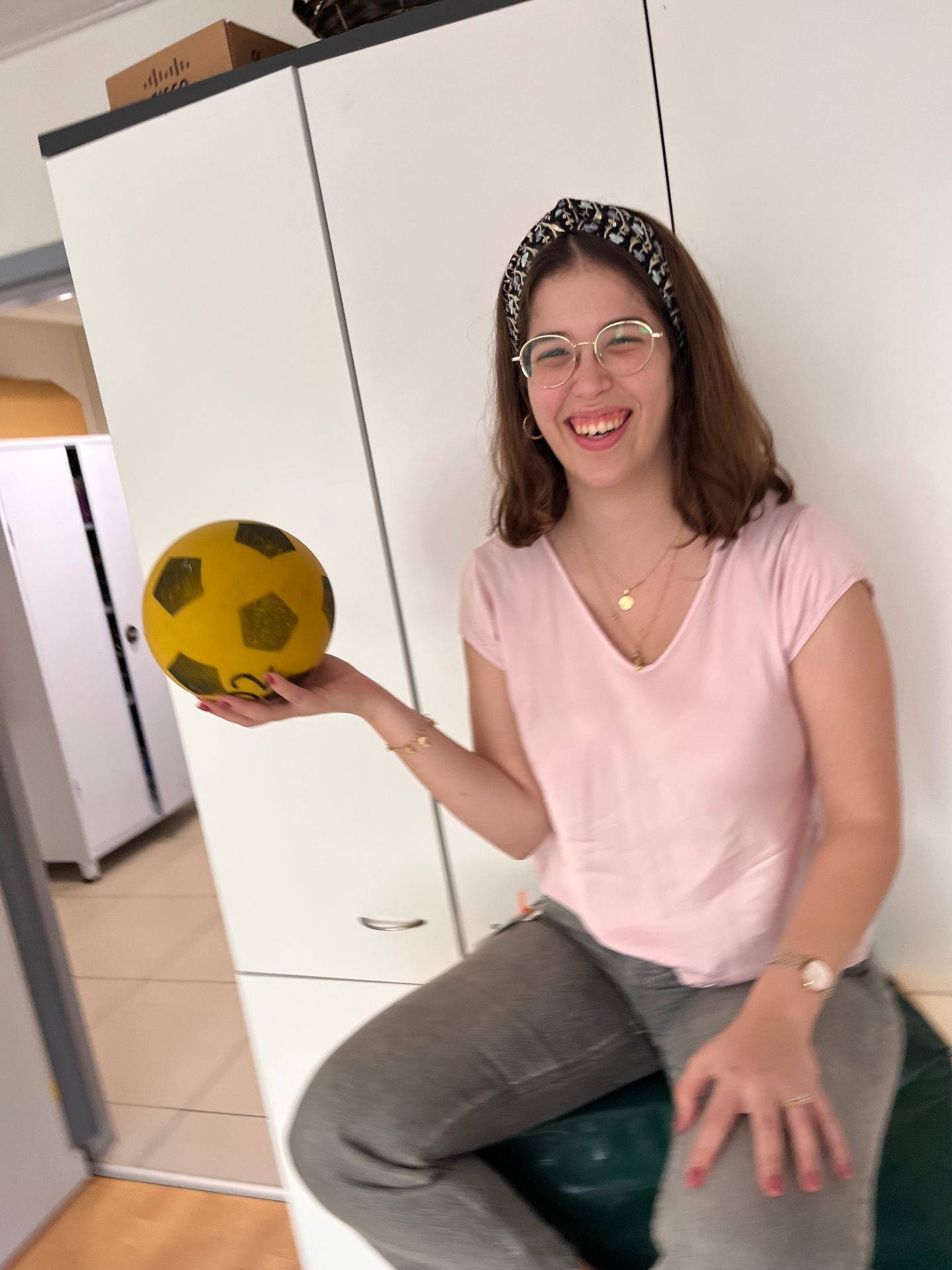
Nice to meet you, I'm Shira
I'm a paediatric occupational therapist (B.O.T, Tel Aviv University) working with children and families in Ra'anana and the surrounding area. I spent my first years at Clalit's Child Development Institute in Tel Aviv, assessing and treating children from birth to age 9.
Today I specialise in ages 2-9: first-grade readiness, handwriting, fine motor skills, movement and play, learning strategies and early reading. I work from the understanding that behind every everyday difficulty sit foundation skills that can be strengthened - and that parents are part of the process, with a clear picture of what's happening, why, and what to practise at home.
- Occupational therapist
- B.O.T, Tel Aviv University
- Two years at Clalit's Child Development Institute, Tel Aviv
- Assessment and treatment from birth to age 9
- Currently specialising in ages 2–9
Questions parents ask me
Teen track
Study skills for students in grades 8–12
Alongside my work with children aged 2–9, I also help teenagers build independent study skills for Bagrut exams, the Psychometric and university.
See the teen trackNot sure exactly what your child needs? You can start with a conversation.
You don't need to diagnose the difficulty yourself. You can simply describe what you're seeing, and we'll start from a shared understanding of whether an occupational therapy assessment or treatment is appropriate.